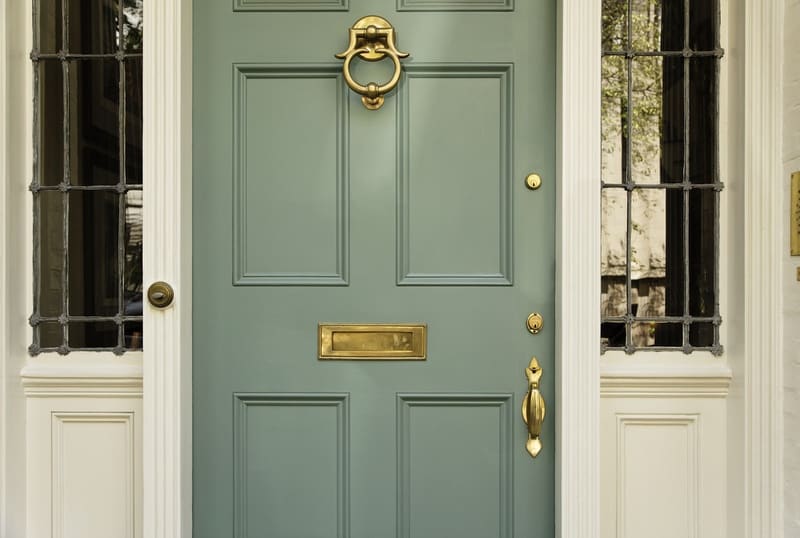
Your front door takes more sun damage than almost any other surface on your home. Direct sun exposure breaks down paint pigments, dries out binders, and turns rich color into a faded, chalky mess in just 2 to 3 years.
The right exterior door paint can hold its color for 7 to 10 years, even on a south-facing Bellevue front door. The wrong choice fades within 24 months and leaves you repainting more often than you should.
This guide covers the 6 finishes that hold up best under Pacific Northwest sun, why they work, and what to avoid when picking paint for your front door.
Key Takeaways:
- UV exposure is the main reason front door paint fades, and most fading happens in the first 2 to 3 years
- 100% acrylic latex and waterborne alkyd enamels are the two strongest performers for fade resistance
- Higher sheen finishes like satin, semi-gloss, and gloss reflect more UV than flat or matte
- Bellevue homes with south or west-facing front doors lose color fastest
- Proper primer and prep matter more than paint price when it comes to long-term color hold
Why Exterior Door Paint Fades in Direct Sun
Sunlight breaks down paint at the chemical level. UV rays attack pigment molecules and cause them to oxidize, which is what creates that faded, chalky look on older painted doors.
Two things affect how fast this happens:
- Pigment type. Inorganic pigments like iron oxides and titanium dioxide hold color longer than organic pigments, especially for darker colors and reds.
- Resin quality. The binder that holds the pigment in place breaks down over time. Premium acrylic and alkyd resins resist UV damage better than budget formulas.
Paint chemistry is part of the answer. The choice between oil-based exterior paint and modern acrylic latex affects fade rates significantly because the two products handle UV exposure very differently.
Color choice also matters. Bright reds, deep blues, and dark greens fade faster than whites, grays, and earth tones because the pigments work harder to reflect light.
How Bellevue Sun Exposure Affects Your Front Door
Bellevue gets more sun than most people give the Seattle area credit for. Summer days deliver 15+ hours of daylight, with UV index levels regularly hitting 7 to 8 from June through August.
If your front door faces south or west, it absorbs:
- 6 to 8 hours of direct sun in summer
- Reflected heat from concrete walkways and driveways
- Surface temperatures up to 140°F on hot afternoons
- Year-round morning condensation that accelerates UV damage
Pro Bellevue house painters plan front door paint projects around exposure direction. South-facing doors typically need premium UV-resistant products. North-facing doors can use mid-tier paints since they get the least sun and the slowest fade.
The exposure direction of your door changes, which paint will give you the longest color hold and the best return on your project?
6 Best Exterior Door Paint Finishes That Won’t Fade
The 6 finishes below were picked based on UV resistance, color retention data, and real performance on Pacific Northwest exterior doors.
1. Premium 100% Acrylic Latex Exterior
100% acrylic latex is the modern standard for exterior door paint. Products like Sherwin-Williams Emerald Exterior and Benjamin Moore Aura Exterior use UV-blocking resins and high-grade pigments.
Expected color hold: 8 to 12 years on a south-facing door. Cleanup is soap and water, and these paints flex with temperature changes without cracking.
2. Waterborne Alkyd Enamel
Waterborne alkyd enamels combine oil-based durability with water-based cleanup. Benjamin Moore Advance and Sherwin-Williams Emerald Urethane Trim Enamel are the top picks for front doors.
These cure into a hard, smooth finish that resists scratches and holds color through repeated sun exposure. Color hold runs 7 to 10 years on most front doors.
3. Urethane-Fortified Acrylic Exterior
Urethane-fortified paints add polyurethane resin to acrylic latex for extra UV resistance and impact protection. Behr Marquee Exterior is a strong example of this category.
These deliver fade resistance close to top-tier products at a slightly lower price point. Color hold runs 7 to 10 years on most exposures, including south-facing doors.
4. High-Performance Industrial Enamel
Industrial enamels like PPG Break-Through were originally engineered for commercial doors and railings. The hard cure and color retention transfer well to residential front doors.
These paints handle hand contact, weather, and UV without losing finish quality. Expect 10+ years on most front door exposures, even with daily use.
5. Oil-Based Alkyd Enamel
Traditional oil-based enamel still earns its place for high-traffic doors that need a glass-smooth finish. Benjamin Moore Impervo is a classic choice in this category.
The downside is yellowing over time and longer cure windows. Best for darker door colors where yellowing is hidden by the base color.
6. Marine-Grade Spar Urethane
If you have a natural wood front door (mahogany, oak, walnut) and want the grain to show, marine-grade spar urethane is the answer. These clear coats include UV blockers built for boat decks and outdoor furniture.
Recoat every 3 to 5 years for sustained UV protection. Epifanes and Pettit Captain’s are pro-favorite brands in this category.
The Sheen Question for Front Door Paint
Sheen affects fade resistance more than most homeowners realize. Higher-sheen finishes reflect more UV light, while flat and matte finishes absorb it.
For exterior door paint, your practical sheen options are:
- Satin: Soft sheen, hides minor imperfections, decent UV reflection
- Semi-gloss: More reflective, easier to wipe clean, better fade resistance
- High-gloss: Most reflective, hardest finish, best fade resistance but shows every flaw
Flat and matte sheens are not recommended for front doors. They absorb more UV, hold more dirt, and fade faster than higher-sheen products.
For most Bellevue front doors, semi-gloss is the sweet spot. The full breakdown of satin vs matte paint covers how each sheen behaves over time and which works for different exterior conditions.
Why Prep Work Beats Paint Quality
The best exterior door paint applied over poor prep will still fail.
About 80% of premature exterior paint failures trace back to inadequate surface preparation, not paint quality. Sun damage shows up faster on doors where prep was rushed or skipped.
For a fade-resistant front door, prep should include:
- Full sanding to bare wood, metal, or fiberglass
- Cleaning with TSP or a quality degreaser
- Applying a stain-blocking exterior primer matched to the substrate
- Two thin top coats with proper recoat times between
Primer is the step most homeowners skip. The right primer for exterior surfaces bonds the topcoat to your door and creates the moisture barrier that keeps paint from peeling at the edges where fade damage starts.
Skipping primer cuts paint life by 40 to 60% on exterior doors.
Maintenance Tips for Long-Lasting Front Door Paint
A few simple habits keep the front door paint looking new for years longer than it would otherwise.
Maintenance basics:
- Wipe the door down twice a year with mild soap and water to remove dirt buildup
- Inspect for hairline cracks every spring and seal them with paintable caulk
- Refresh high-touch areas around the handle and lockset with touch-up paint every 2 to 3 years
- Add a storm door on south-facing entries to cut UV exposure by up to 60%
- Rinse pollen and tree sap off quickly, since both can stain the finish over time
Most front door paint failures show up at the edges and around hardware first. Catching small issues early prevents full repaints later.
Choosing the Right Exterior Door Paint for Your Bellevue Home
Pick your finish based on door direction, substrate, and how often you want to repaint. South and west-facing doors need premium UV-resistant paints. Wood doors with visible grain need marine-grade clears, not opaque paint.
Pro exterior house painting services match the paint to your door’s exposure, prep the surface correctly, and deliver a finish that holds color for 8+ years even in direct Bellevue sun.
Call us at 425-534-7117 for a FREE estimate today.