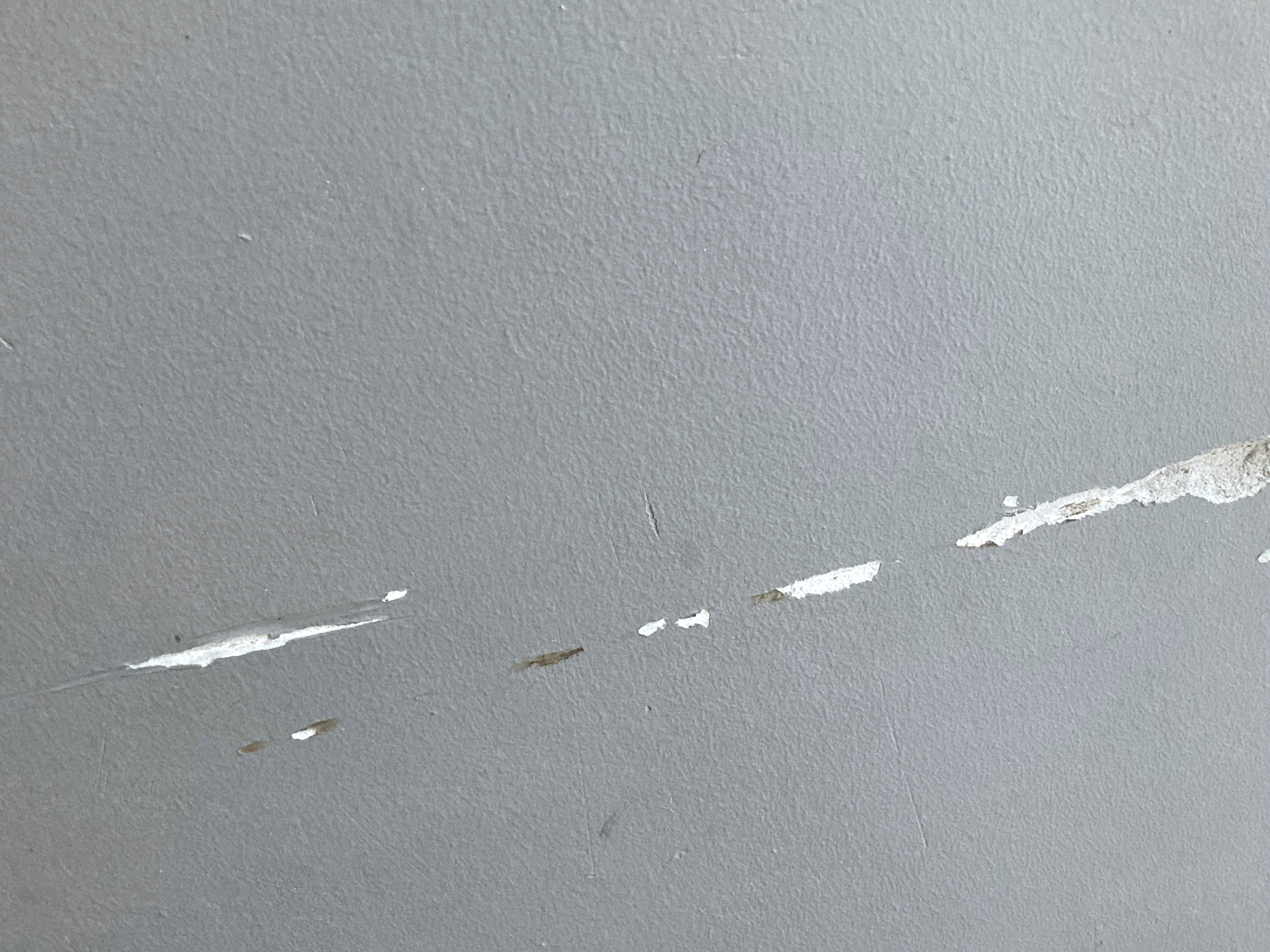
If you’ve been wondering how to fix chipped paints during an interior house painting in Kirkland, WA, you’re not alone. Chipped walls can make a room look worn before its time, but the fix doesn’t always mean a full repaint. With the right method, the right tools, and a bit of patience, you can have your walls looking smooth and fresh again.
Years of working as an interior house painter have shown me that even the smallest chip can bother homeowners. I once had a client who refused to hang a painting in their living room because the chipped spot behind it annoyed them every time they walked by. The good news is that repairing these spots is often quick, cost-effective, and produces lasting results.
Key Takeaways
Why Paint Chips and Peels Happen
Before you tackle how to fix chipped walls, it helps to understand why it happens. Sometimes the cause is physical damage like furniture bumping the wall. Other times, moisture, poor surface prep, painting over glossy finishes, or applying thick layers of paint can be the culprit.
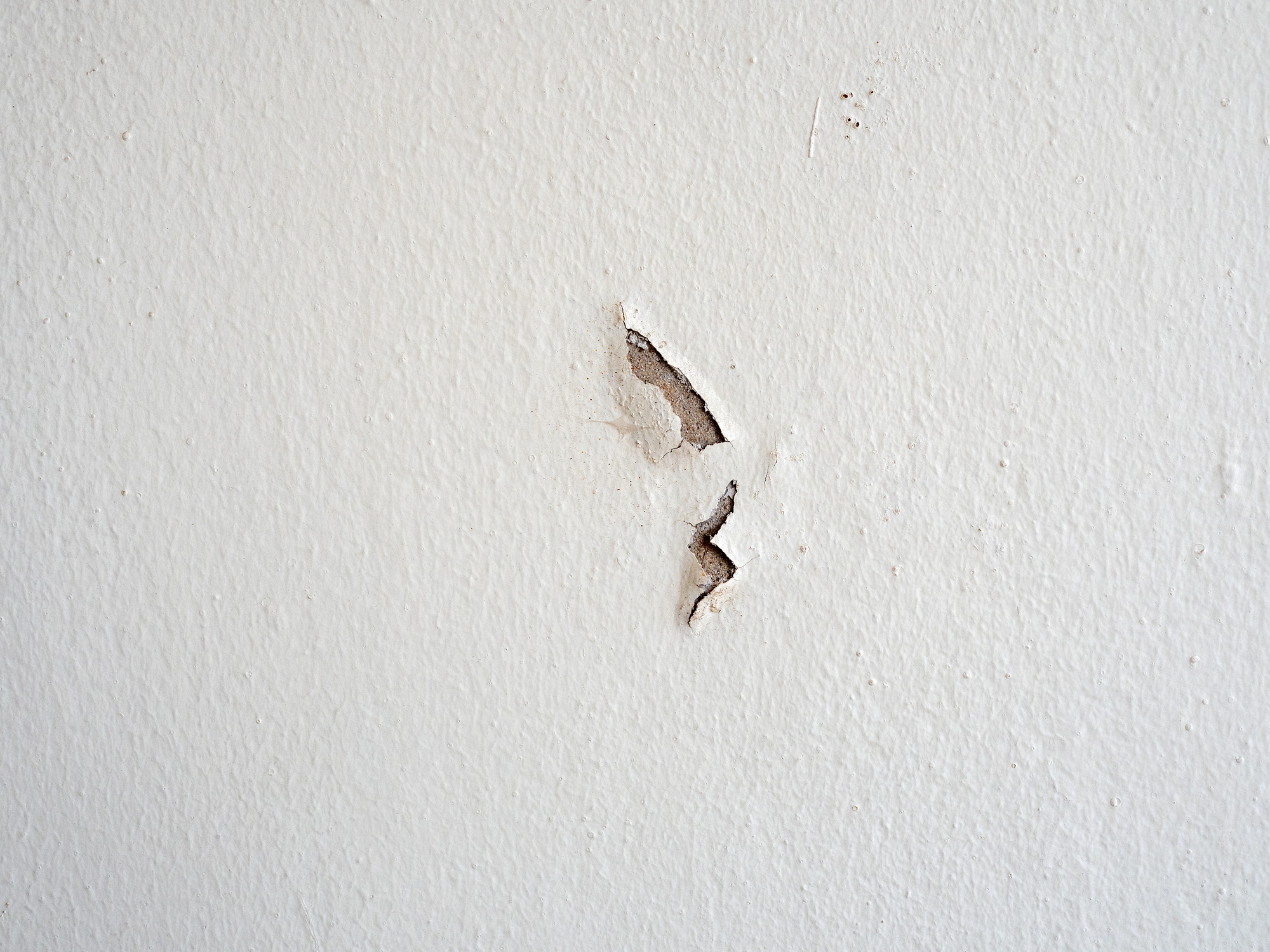
I once repaired a kitchen where steam from daily cooking had softened the paint, leading to multiple chips around the stove. A simple prep step before painting could have prevented the issue entirely.
Prepping for a Smooth Repair
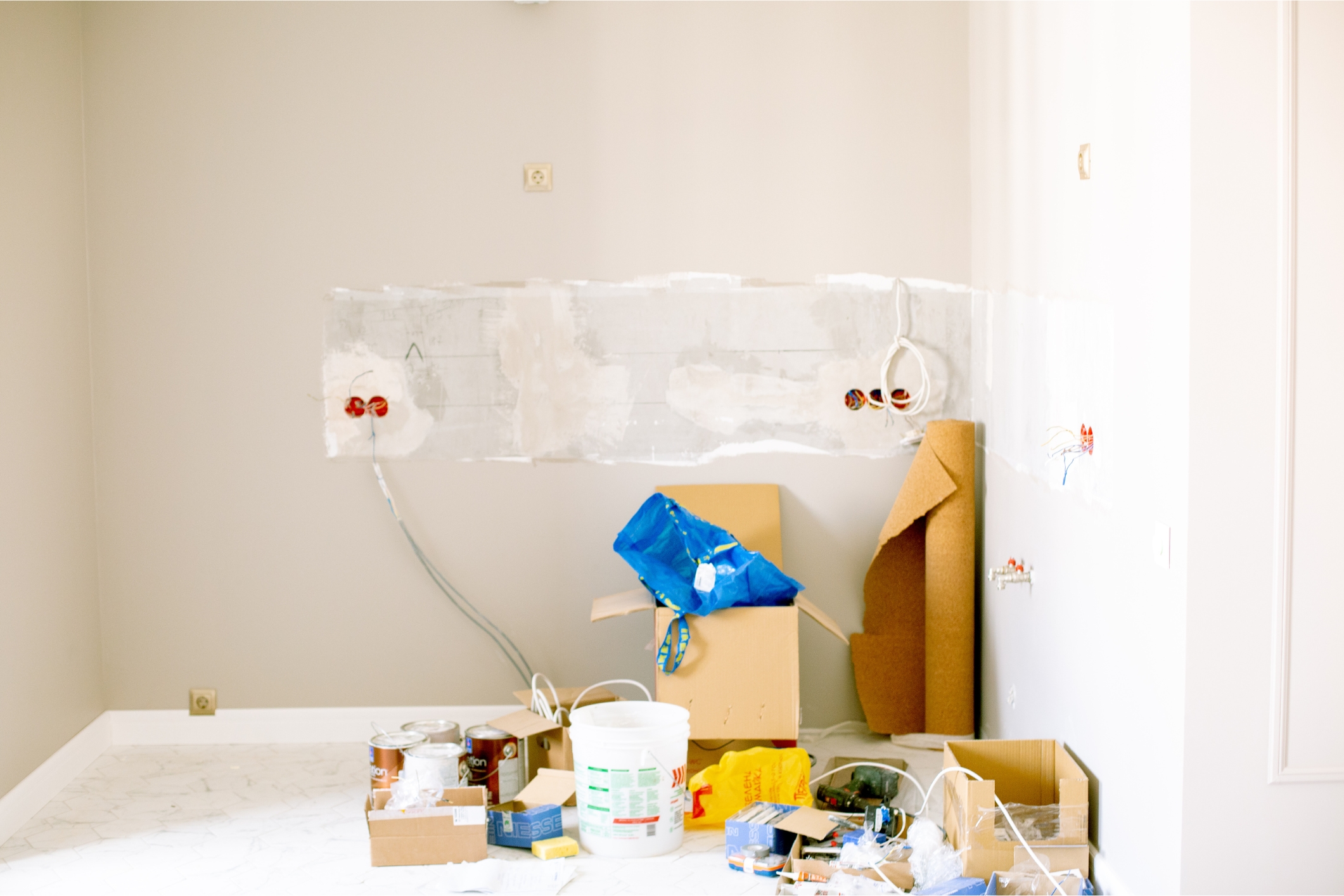
If you want the repair to last, the prep matters. For small spots, spackle is perfect because it’s lightweight. Larger chips may need drywall joint compound. Have a 2-inch putty knife for applying filler and a 4-inch knife for smoothing it out. If you only have one knife, pick one that’s wider than your chip.
Tools and Supplies You’ll Need
Step-by-Step on How to Fix Chipped Paints
1. Clear and Protect Your Space
Shift all furniture well away from the work area and place a sturdy plastic drop cloth over the floors. Secure the cloth along the baseboards with painter’s tape so any dust, filler bits, or paint drips are contained.
2. Remove Loose Paint
Use a wire brush to gently loosen and remove any peeling edges, working carefully to avoid enlarging the damaged area. For stubborn paint, hold a putty knife at a 45-degree angle and apply light pressure to lift it away cleanly.
3. Sand the Edges Smooth
Take medium-grit sandpaper and smooth the chip’s edges until they feel flush with the surrounding wall. Keep your pressure even to avoid creating dips or scratches that could show through once painted.
4. Apply the Filler
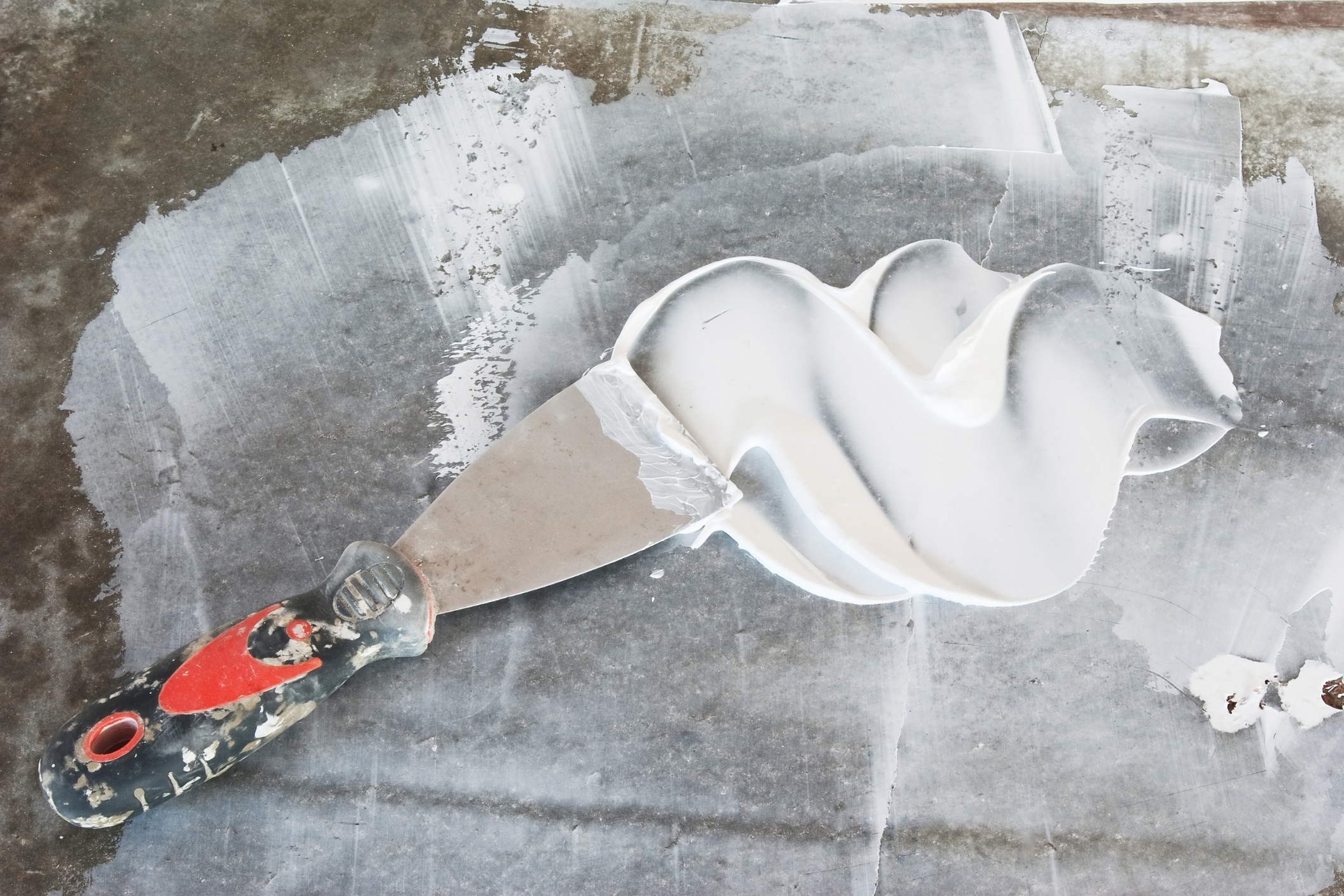
With your 2-inch knife, scoop a small amount of spackle or joint compound and press it firmly into the chipped area. Ensure the filler completely fills the gap for a level surface when dried.
5. Smooth the Surface
Using the 4-inch knife, glide over the filled section from multiple directions to level it with the wall. Remove extra filler so less sanding will be needed once the patch is dry.
6. Let It Dry Fully
Refer to the product’s instructions, as drying times can vary from 30 minutes to several hours depending on thickness and temperature. Avoid rushing this step to prevent cracks later.
7. Sand for a Seamless Finish
Once the filler is completely dry, sand the area with fine-grit sandpaper until the surface feels smooth and even. Wipe away any dust with a lint-free cloth.
8. Prime the Area
Apply a thin, even coat of primer over the repaired section, overlapping slightly beyond the edges. This helps the touch-up paint adhere and blend better.
9. Repaint the Patch
Dip your brush into matching paint and apply it over the primed patch, feathering the strokes outward into the surrounding wall color for a natural, seamless look.
How to Prevent Chipping in the Future
Keeping your walls chip-free starts with developing smart, consistent habits during and after painting. Scuff glossy surfaces before painting, clean and dry walls thoroughly, and always follow recommended recoat times for your chosen paint type. These steps help paint adhere better and last longer. In busy areas such as hallways, dining rooms, or near entryways, adding chair rails or wainscoting can create a barrier that reduces repeated scuffs and bumps.
Lines Painting is Ready to Help You Now!
Chipped paint can take away from the comfort and beauty of your home, but fixing it is easier than you think. Whether it’s a small spot or several problem areas, the right repair process will make a big difference.
You don’t have to live with chipped walls. Lines Painting offers interior house painting in Kirkland, Bellevue, and Seattle, WA. Call (425) 534-7117 for your FREE estimate and get walls that look brand new.
We handle every step, from prep to cleanup, so you can enjoy flawless results without the stress.